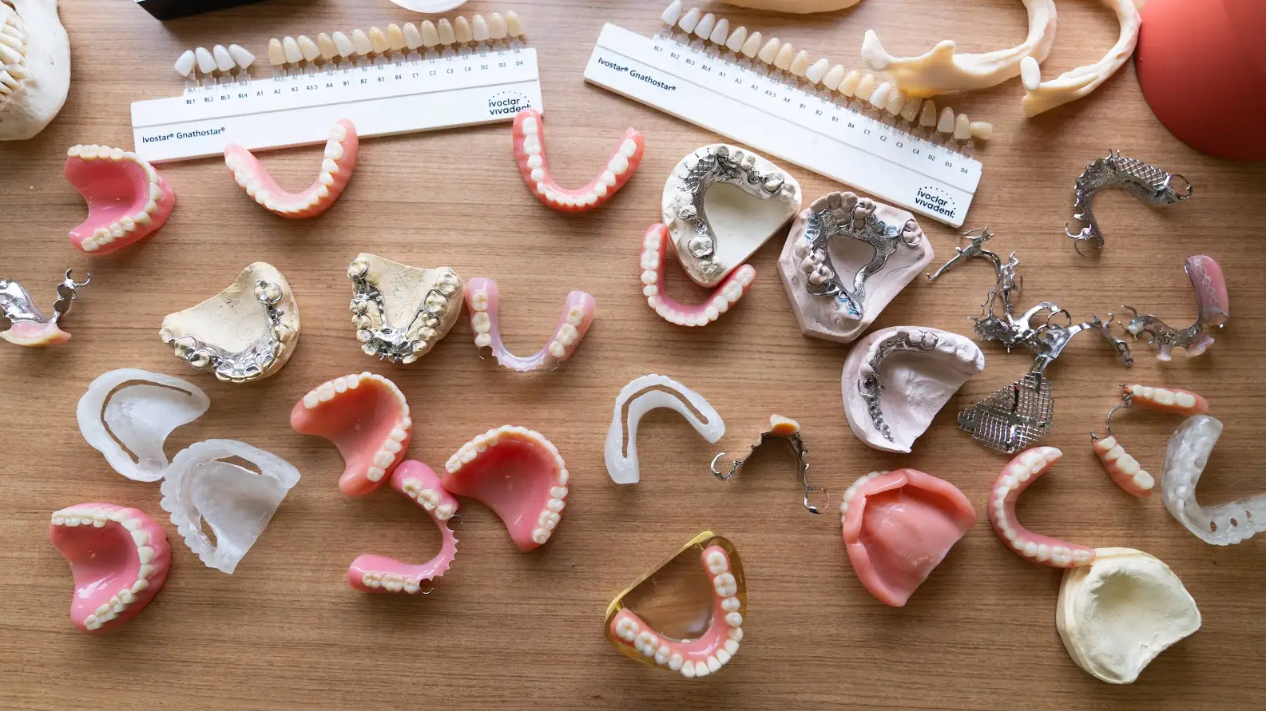
Choosing between dental implants and dentures can feel like a big decision. Both can replace missing teeth, but they work in different ways and may suit different oral health needs, routines and treatment goals.
Established in 1979, Emergency Denture Repairs manufactures dentures, dentures on implants and provides repairs, relines and consultations about tooth replacement options in Perth.
Dental implants and dentures: a quick guide
At a glance
Implants = fixed feel; dentures = removable; implant-retained dentures = removable but stable.
- Dental implants can support a crown, bridge or full-arch restoration and are planned around bone health, healing and long-term care.
- Conventional dentures replace some or all missing teeth without implant surgery and are removed for cleaning.
- Implant-retained dentures attach to implants for added stability while remaining removable.
Why the right option depends on your oral health, needs and lifestyle
There is no single option that is best for everyone. Your gums, jawbone, remaining teeth, medical history and ability to heal can affect which treatments may be suitable.
Treatment time, daily care, comfort with surgery and long-term maintenance also matter. A clinical assessment can help you understand which option may suit your mouth, health and routine.
What are dental implants?
Dental implants may be used to replace one missing tooth, support several replacement teeth or provide attachment points for a denture. The appropriate use depends on your oral health and clinical assessment.
How implants work: implant, abutment, and crown or denture attachment
A dental implant is a small fixture placed into the jawbone. After healing, an abutment connects it to a crown, bridge or denture attachment.
Depending on the attachment used, the replacement may be fixed or removable.
Why bone health and healing time matter
Implants need healthy gums and enough healthy jawbone to provide support. Medical history, medications, smoking and oral hygiene may also affect suitability.
Treatment is usually completed in stages to allow the implant site to heal. Timing varies with bone condition and any additional treatment required.
What are dentures?
Dentures are removable appliances that replace missing teeth and support functions such as eating and speaking.
Full vs partial dentures
Full dentures replace all teeth in the upper or lower jaw. Partial dentures fill one or more gaps when natural teeth remain and may use clasps for retention.
Both types are custom-made using impressions, measurements and tooth-shade selection. The design depends on the number and position of missing teeth, the condition of the remaining teeth and gums, and your preferences.
Why fit, comfort, and stability are important
The mouth changes over time, so dentures may eventually feel loose, rub or move during eating and speaking.
An adjustment or reline may improve the fit, while a repair can address damage without replacing the whole denture. Implant-retained dentures may be considered when a conventional denture continues to move despite appropriate adjustment or relining.
Dentures and implants: how each option may support daily life
Each option can support daily life in different ways, from chewing and cleaning to stability and maintenance.
Comfort, chewing, appearance, and daily care
Implant-supported teeth may feel more secure because the implants are anchored in the jawbone. Conventional dentures are designed to fit over the gums and can often be adjusted or relined if the fit changes over time.
Both implant restorations and dentures can be customised for tooth shade and shape, although the final appearance and comfort vary between patients. Dentures are removed for cleaning. Implant restorations also need daily brushing, cleaning around the gum line and regular professional checks.
Treatment planning, maintenance and timeframes
Dentures do not involve implant surgery and may suit patients looking for a removable treatment pathway. Over time, relines, repairs or replacement may help maintain comfort and function.
Implant treatment is planned in stages and involves surgery, healing and ongoing professional care. The attached crown, bridge or denture is also included in long-term maintenance planning.
Which option may be right for you?
The right option depends on your oral health, treatment goals and what feels manageable for your lifestyle.
When dentures may be suitable
Dentures may suit people replacing several or all missing teeth who prefer a removable option. They may also be considered when implant surgery is unsuitable or unwanted, or when a removable treatment pathway is preferred.
When dental implants may be suitable
Dental implants may suit people who want a replacement that feels more fixed in the mouth and have healthy gums, suitable bone and general health that supports surgery and healing.
Implants can support a single crown, an implant-supported bridge or a full arch of replacement teeth.
When implant-retained dentures may be a better stability upgrade
Implant-retained dentures may help when conventional dentures feel loose or move during eating and speaking. They connect to implants for added retention but remain removable for cleaning.
This option may be considered when a conventional denture remains unstable and an assessment indicates that implant treatment may be suitable.
How to understand your options before deciding
A clear treatment plan should explain each treatment stage and the care that may be needed later.
Ask what is included in the treatment plan, from consultation to aftercare
Ask whether the plan includes examinations, imaging, impressions, fitting appointments, temporary teeth, adjustments and follow-up care. For implants, ask whether the plan includes the implant, abutment and final restoration.
Following a denture or implant consultation, EDR provides an individual treatment plan so patients can understand the recommended next steps.
Understand treatment stages, maintenance and expected comfort
When discussing treatment options, ask what each pathway involves from the first appointment through to maintenance and follow-up care. Dentures may need relines or repairs over time. Implant restorations also need ongoing professional review and maintenance planning.
Because comfort varies from person to person, ask whether an adjustment period may be needed and how concerns will be managed after fitting.
Make sure suitability, alternatives and aftercare are explained clearly
You should understand why treatment is recommended and what other options may suit your needs. Depending on the teeth being replaced, these may include partial dentures, implant-retained dentures, fixed implant restorations or dental bridges.
Before treatment, the clinician should explain the likely healing or adjustment period, relevant risks, maintenance needs and any factors that could affect the result.
What to do if your dentures are loose or uncomfortable
Loose or rubbing dentures should be assessed rather than tolerated or adjusted at home. Changes in the gums or jaw, general wear, damage and bite problems can all affect fit.
Repairs, adjustments and relines may help improve denture fit
A repair addresses cracks, broken teeth or other damage, while an adjustment can relieve pressure areas. A reline reshapes the fitting surface to better match the gums and may improve function without replacing the whole denture.
Ask about implant-retained denture options if you want more stability
Implant-retained dentures may provide greater retention while remaining removable. If the denture remains unstable after its condition and fit have been assessed, implant-retained options may be discussed as a possible next step.
Not sure whether dentures, implants or implant-retained dentures are right for you? Contact Emergency Denture Repairs to discuss denture repairs, relines and denture stabilisation in Perth.