Missing one or several teeth is something many people experience at some point in their lives. This could be through an accident, sports injury, decay or gum disease.
The absence of a tooth can affect both oral function and personal confidence. For this reason, many people explore restorative dental treatments after losing a tooth. Among the available options, dental implants have become an increasingly popular solution worldwide, including patients in Perth seeking longer-term options for missing teeth.
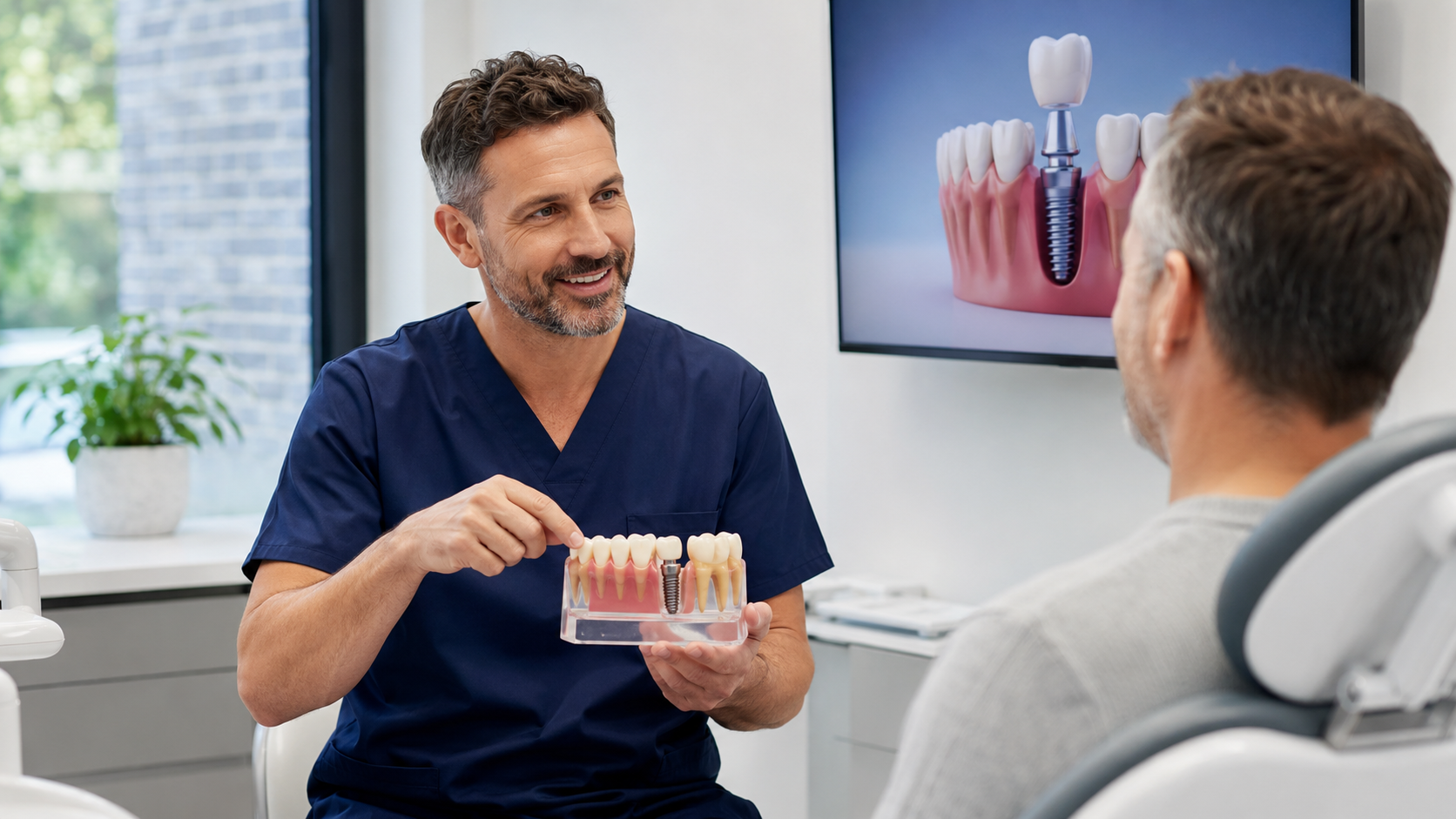
Dental implants are a form of tooth replacement made up of several components. Typically, they are an implant fixture, an abutment (a small post) and a toothlike crown. The implant is placed into the jawbone, where it gradually fuses with the surrounding bone over time. Once healed, the abutment and crown are attached to the implant to restore the appearance and function of the missing tooth.
However, while dental implants can be suitable for many, they may not be appropriate for everyone. Ultimately, a consultation with a dental professional is needed to determine the most appropriate care for each individual.
Am I The Right Candidate For Dental Implants?
While dental implants can be an effective tooth replacement option for many people, suitability can vary from person to person. Below are three key elements dentists typically take into account when determining whether a patient may be an appropriate candidate for the procedure:
Gum Health and Bone Density
Healthy gums and adequate jawbone density are important factors when considering dental implants. A dentist will usually assess the condition of the gums and evaluate whether there is sufficient bone to support the implant securely, often through a clinical examination and dental imaging.
Overall Health and Lifestyle Factors
A patient’s general health and lifestyle habits may also influence whether dental implants are advisable. Factors such as smoking, unmanaged diabetes or teeth grinding may affect healing and the long-term success of the implant, which is why dentists typically review these aspects during a consultation.
Possible Need For Bone Grafting
In some situations, a patient may not initially have enough bone to support an implant. When this occurs, dentists may recommend procedures such as bone grafting to help rebuild the jawbone before implant treatment is considered, depending on the individual case.
Dental Implants Options Available In Perth
Depending on the number of missing teeth and the condition of a patient’s oral health, dentists may recommend different types of dental implant solutions. Below are several commonly discussed options that may be considered during a consultation.
Single Tooth Implant
A single tooth implant is typically recommended when only one tooth is missing. In this procedure, a dental implant is placed into the jawbone to support a crown that replaces the missing tooth, helping restore both appearance and function without affecting the neighbouring teeth.
Implant-supported Bridge
When multiple teeth are missing next to each other, an implant-supported bridge may be considered. Instead of placing an implant for every missing tooth, a smaller number of implants are used to support a bridge structure that replaces several teeth in a row.
Full Arch Implant Solutions
For patients who have lost most or all of their teeth in one arch, full-arch implant solutions may be discussed. These treatments involve placing several implants within the jaw to support a full set of replacement teeth, which may be designed as either a fixed or removable prosthetic depending on the treatment plan.
Implant-retained Dentures
Implant-retained dentures are often recommended for people who experience loose or unstable traditional dentures. Small implants are placed in the jawbone to help secure the denture in position, which can improve stability when eating or speaking compared with conventional dentures that rely mainly on suction or adhesives.
This option may provide greater support while still allowing the denture to be removed for cleaning and maintenance.
Ultimately, the most suitable option will depend on factors such as the number of missing teeth, bone structure, oral health condition and the patient’s preferences.
Benefits, Risks And Cost Considerations Of Dental Implants
Like many dental procedures, dental implants come with both potential advantages and considerations. Understanding these aspects can help patients have a more informed discussion with their dentist when exploring suitable treatment options.
Benefits
One of the main advantages of dental implants is their ability to restore chewing function in a way that closely resembles natural teeth. Implants and implant-retained dentures impart a ‘fixed’ feeling, like natural teeth, whereas traditional dentures can easily move if lacking proper adhesion to the gums. With proper care and regular dental check-ups, implants also offer better long-term durability over traditional dentures.
In addition to function, implants are designed to look and feel similar to natural teeth once the crown or prosthetic is attached, which can help restore a natural-looking smile and improve confidence in everyday activities.
Risks
As with any surgical procedure, dental implant treatment carries certain risks. These may include infection at the implant site, delayed healing or other complications during the recovery process.
While such outcomes are generally uncommon, they can occur, which is why dentists typically conduct thorough assessments and provide post-treatment care guidance to help minimise potential risks.
Cost Considerations
The cost of dental implant treatment can vary depending on several factors. These may include the number of implants required, diagnostic imaging such as X-rays or 3D scans used during treatment planning.
Moreover, additional procedures, like bone grafting (if needed), and the type of restoration used (such as a crown, bridge or implant-supported denture), all add to the final bill’s total.
Choosing The Right Dental Provider With Emergency Denture Repair
Choosing the right dental provider is an important step when considering treatments for missing teeth. At Emergency Denture Repair, we offer personalised care through services such as dental implants, implant-supported restorations and denture repairs, relines or refinement, with all treatment recommendations tailored to your oral health and goals.
Your consultation includes a comprehensive assessment and discussion of options suitable for you, followed by guidance on proper aftercare practices. Regular check-ups, professional cleaning and maintenance schedules are important for keeping your implants or dentures functioning well over time.
Contact us today to explore the right dental treatments for you!